
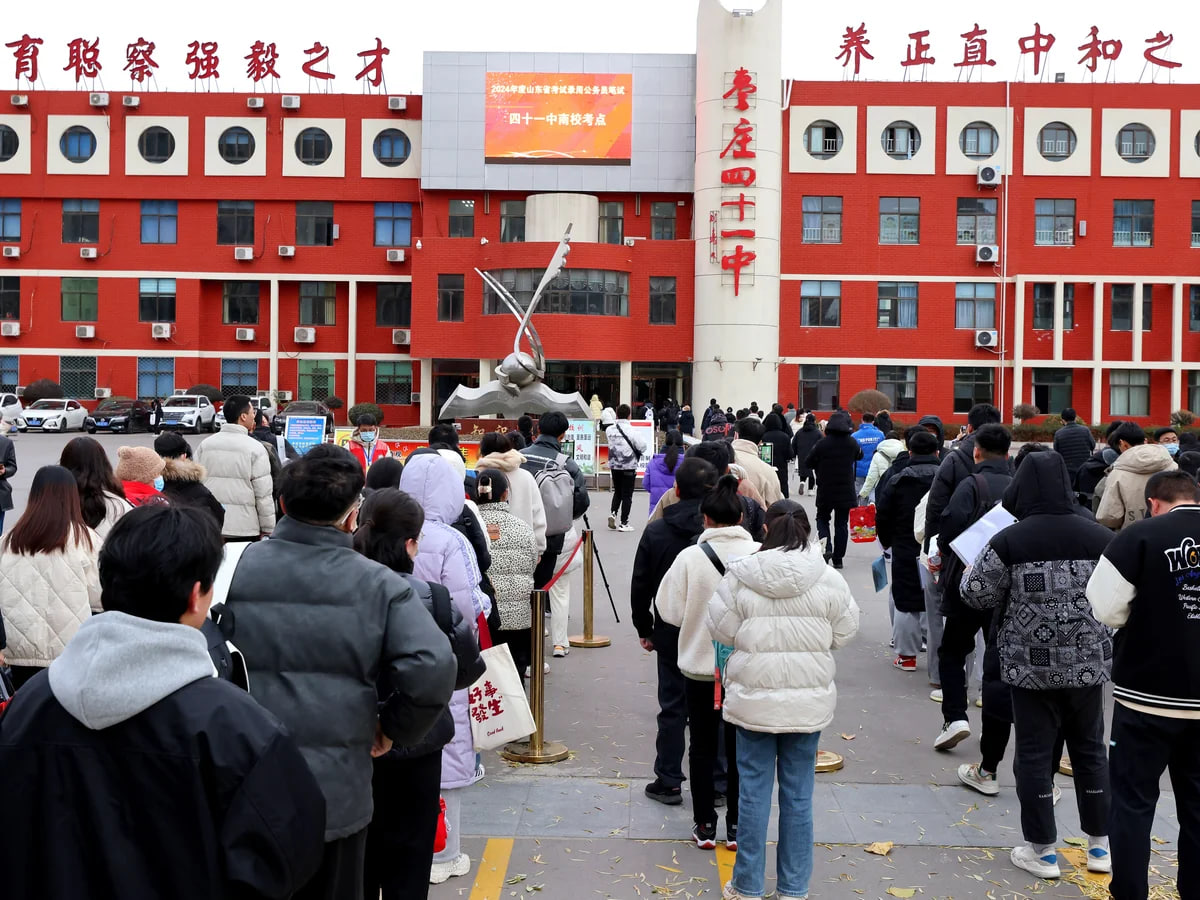
For millions of young people around the world, civil service exams represent more than just a job opportunity they symbolize prestige, stability, power, and a chance to serve the nation. While India’s UPSC Civil Services Examination is widely recognized as one of the toughest exams globally, many countries have their own elite government recruitment systems that are equally competitive and historically significant.
From the ancient imperial examinations of China to the modern Fast Stream program in the United Kingdom, governments across the world have long used examinations to identify the brightest minds for administration and leadership roles.
China: The Birthplace of Competitive Civil Service Exams
China is often considered the birthplace of merit-based government recruitment. The country’s imperial examination system, known as the Keju, dates back over 1,300 years to the Sui and Tang dynasties. These exams tested candidates on philosophy, literature, governance, and Confucian teachings.
Success in the exams could completely transform a person’s life, allowing individuals from ordinary families to rise into powerful government positions. Historians believe this system influenced modern civil service recruitment models worldwide.
Today, China’s National Civil Service Examination remains highly competitive, with millions of candidates applying every year for a limited number of government posts.
India: UPSC – The World’s Toughest Administrative Exam?
India’s Union Public Service Commission (UPSC) examination is often described as one of the most difficult exams in the world due to its massive syllabus, multi-stage process, and low selection rate.
The exam selects officers for prestigious services including:
- IAS (Indian Administrative Service)
- IPS (Indian Police Service)
- IFS (Indian Foreign Service)
Every year, hundreds of thousands of aspirants spend years preparing for the exam, with only a tiny percentage successfully securing top ranks.
The UPSC exam tests not only academic knowledge but also leadership, ethics, decision-making, and personality through interviews and written examinations.
United Kingdom: Britain’s Fast Stream Program
In the United Kingdom, one of the most respected pathways into government leadership is the Civil Service Fast Stream program.
Unlike traditional written-heavy systems, Britain’s Fast Stream focuses on:
- Leadership skills
- Problem-solving
- Communication abilities
- Situational judgment
- Assessment centers
The program is designed to quickly identify talented graduates and prepare them for senior government roles across departments.
The Fast Stream is known for attracting highly educated candidates from top universities and is considered one of the UK’s most competitive graduate programs.
France: ENA and Elite Administration
France historically used the National School of Administration (ENA) as the gateway to high-level government positions. Many French presidents, diplomats, and senior officials graduated from ENA.
The system was designed to create highly trained administrative leaders capable of managing state affairs efficiently.
Although reforms have transformed the institution in recent years, France still maintains one of the world’s most elite bureaucratic training systems.
South Korea: Extremely Competitive Public Service Exams
South Korea’s civil service exams are famous for their intensity and social pressure. Candidates often study for years in specialized academies known as “hagwons.”
Government jobs are considered highly desirable because they offer:
- Job security
- Social status
- Strong salaries and pensions
- Long-term stability
Competition is so intense that entire industries exist to support exam preparation.
Japan: Bureaucracy and National Leadership
Japan also has a respected civil service recruitment system focused on selecting top university graduates for national administration roles.
The country’s bureaucracy has historically played a major role in shaping economic policy and national development.
Exams are rigorous and emphasize analytical thinking, legal understanding, and policy knowledge.
Why Civil Service Exams Matter Globally
Civil service examinations continue to shape governments and societies worldwide. These exams are designed to recruit talented individuals capable of handling national administration, law enforcement, diplomacy, finance, and policymaking.
While the systems differ from country to country, the goal remains the same:
finding capable individuals who can lead public institutions effectively.
In many nations, success in these exams is still viewed as a symbol of intelligence, discipline, and national service.
Final Thoughts
From ancient China’s imperial scholars to modern-day UPSC toppers and Britain’s Fast Stream graduates, civil service examinations have remained one of the most respected pathways into leadership.
As governments continue modernizing recruitment systems with technology, assessments, and interviews, the global competition for elite public service roles is only becoming more intense.
For aspiring candidates, these exams represent not just careers but opportunities to shape the future of their countries.
