One of football's biggest stars has made one of the most significant sportswear moves of the year.
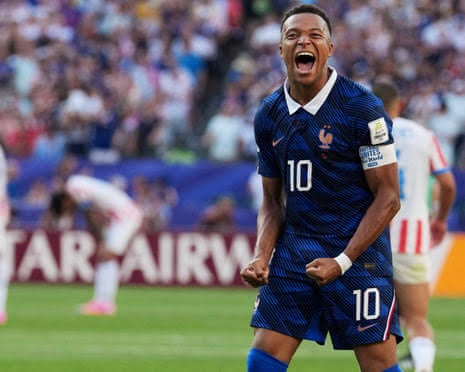
Kylian Mbappé has left Nike and signed with Swiss sportswear company On, ending a relationship with the American giant that began when the France captain was just nine years old.
The agreement gives Roger Federer-backed On one of football's most commercially powerful players just as the company prepares to enter the football boot market.
Financial terms have not been disclosed, but On confirmed that Mbappé's agreement includes both cash and equity components.
The deal is bigger than a conventional athlete sponsorship. It signals On's intention to challenge established sportswear companies in the world's most popular sport.
Mbappé's Nike Relationship Began in 2006
Mbappé and Nike have been connected since 2006, long before he became a World Cup winner, Real Madrid forward and France captain.
That makes the split particularly significant.
Nike was associated with virtually every stage of Mbappé's rise from elite youth prospect to international superstar.
He eventually became one of the company's most visible football ambassadors and received signature editions of Nike's Mercurial boots.
Ending such a long relationship represents a major change for both sides.
On Gets a Global Football Superstar
For On, the timing is strategic.
The Swiss company established itself primarily through running footwear before expanding into other sports.
Tennis became particularly important following its relationship with Roger Federer, who joined the company as an investor and partner.
Now On wants football.
Signing Mbappé gives it instant global recognition in a market where Nike, Adidas and Puma have spent decades building relationships with clubs, federations and individual players.
On Plans Its First Football Boots in 2027
On is preparing to launch its first football boots in 2027.
That makes Mbappé far more valuable than simply appearing in advertising.
A world-famous player can help introduce an entirely new product category.
Football boots are intensely personal equipment for professional players. Weight, traction, fit, materials and ball contact can all influence what athletes prefer.
Having an elite player involved as On enters the category provides both marketing power and potential product-development insight.
Thierry Henry Is Also Joining the Football Push
Mbappé is not the only major French football name involved.
On has appointed former Arsenal and France striker Thierry Henry as its director of football as part of the company's expansion into the sport.
That combination is notable.
Henry provides experience and credibility from one generation of French football.
Mbappé represents the current generation.
Together, they give a brand historically associated with running and tennis an immediate football identity.
Roger Federer's Connection Helped Transform On
On was founded in Switzerland in 2010 and built its reputation around distinctive running shoes.
Federer's involvement helped push the company deeper into premium global sportswear.
The tennis legend became both an investor and a highly visible partner.
That relationship demonstrated a model that went beyond the traditional athlete endorsement.
Mbappé's agreement also contains an equity component, suggesting On is again looking at a relationship in which a famous athlete has a financial connection to the company's growth.
Why Equity Changes the Athlete-Sponsorship Model
Traditional endorsement agreements are relatively straightforward.
A company pays an athlete.
The athlete wears the company's products and appears in marketing campaigns.
Equity adds another dimension.
If an athlete owns a financial interest in the company, the relationship can become more closely aligned with the brand's long-term growth.
The athlete is no longer only being paid to promote the product.
They may also benefit if the business itself becomes more valuable.
That model has become increasingly attractive as elite athletes look beyond salaries and sponsorship fees towards ownership and investment.
Nike Loses One of Football's Biggest Names
For Nike, losing Mbappé removes one of its most prominent football ambassadors.
The timing is particularly notable because the company is working to strengthen its position in key sports, including football and running, under chief executive Elliott Hill.
Mbappé has been a central figure in Nike's football marketing.
His speed, international profile and success with France made him a natural face for the company's Mercurial line.
Nike said it was proud of what the two sides achieved together and wished him success in the next stage of his career.
Nike Has Also Lost Lamine Yamal
Mbappé's departure follows another significant change in the football sponsorship market.
Spanish star Lamine Yamal moved to Adidas, according to Reuters.
Losing prominent players matters because sportswear companies compete for athletes capable of defining an entire generation.
A young fan may choose football boots because their favourite player wears them.
That relationship can last for years.
Elite-player sponsorships therefore have value far beyond an individual advertising campaign.
Nike Still Has Cristiano Ronaldo
Nike remains a huge force in football and continues to have major athlete relationships.
One of the most famous is Cristiano Ronaldo.
But Ronaldo is now in the later stages of his career, making the battle for the next generation of global football ambassadors increasingly important.
Mbappé appeared ideally positioned to occupy that role for Nike.
His move therefore creates a gap the company will need to address through existing stars or emerging talent.
The Football Sportswear Market Is Changing
For decades, football equipment has been dominated by a relatively small group of global brands.
Nike and Adidas sit at the centre of that competition, while Puma maintains a substantial presence.
Smaller brands face a difficult challenge.
Football boots require specialised technology.
Retail distribution must be global.
Professional players need custom equipment.
And marketing costs can be enormous.
On's strategy appears to be entering the market with a superstar already attached rather than launching anonymously and trying to build credibility afterwards.
Mbappé Gives On Immediate Visibility
Imagine On releasing its first football boot without a globally recognised footballer.
The company would need to explain why players should care.
With Mbappé involved, that problem changes immediately.
Millions of fans will see the product as soon as he wears or promotes it.
Sports retailers will pay attention.
Football media will cover it.
Young players will search for it.
That is the commercial power of a marquee athlete.
Mbappé Is More Than a Football Player to Sponsors
Modern sports stars operate as global media brands.
Mbappé's audience extends beyond Real Madrid supporters or France fans.
His name is recognised across Europe, Africa, Asia and the Americas.
That global reach is particularly valuable for a company like On, which is trying to expand beyond the sports categories that originally built its reputation.
Reuters reports that the Americas currently account for more than half of On's revenue, while the company continues looking for growth in the region.
Football could help broaden its international customer base.
On Is Entering an Extremely Competitive Market
Signing Mbappé does not guarantee success.
Nike, Adidas and Puma possess decades of football experience.
They have extensive relationships with professional clubs, national teams, retailers and athletes.
They also invest heavily in product development.
On will need to demonstrate that its football boots perform at an elite level rather than relying entirely on celebrity marketing.
Professional players can influence consumers, but products still need to compete on comfort, durability and performance.
Nike's Wider Football Position Remains Strong
The Mbappé loss should also be kept in perspective.
Nike continues to maintain major football agreements.
Its relationship with the French national team has been extended through the 2033-34 season, and it will become the official kit and equipment supplier for Germany's national teams beginning in 2027.
The company therefore remains deeply embedded in global football.
One athlete departure does not dismantle that position.
But it does demonstrate that competitors believe high-profile talent can be persuaded to move.
Athlete Loyalty Is Becoming Less Predictable
Sports sponsorship once created associations that could last an athlete's entire career.
That is becoming less certain.
Players now have more options.
New sportswear companies have access to international markets.
Social media allows athletes to build their own audiences without depending entirely on established brands.
Equity deals can also provide financial incentives that traditional sponsorship contracts may struggle to match.
The balance of power between athletes and brands is evolving.
Mbappé Calls the Move a Major Change
Mbappé described football as the force leading him towards another major change in his life and said he was now surrounded by innovators who shared his ambitions.
That language fits On's positioning.
The company has consistently marketed itself around innovation rather than trying to replicate the image of older sportswear businesses.
Football gives it an opportunity to test whether that identity can work in a much larger and more competitive sporting market.
What Happens Next?
Attention will now turn to the product.
On plans to enter football footwear in 2027, meaning the first Mbappé-linked boots could become one of the most closely watched sportswear launches of the year.
How those boots perform commercially will tell us much more about the significance of the partnership.
For Mbappé, the move ends an association that began before he was a teenager.
For Nike, it means losing one of football's most recognisable stars.
For On, it is something much bigger:
a declaration that the Swiss challenger no longer wants to compete only in running and tennis — it wants a place at football's biggest table.